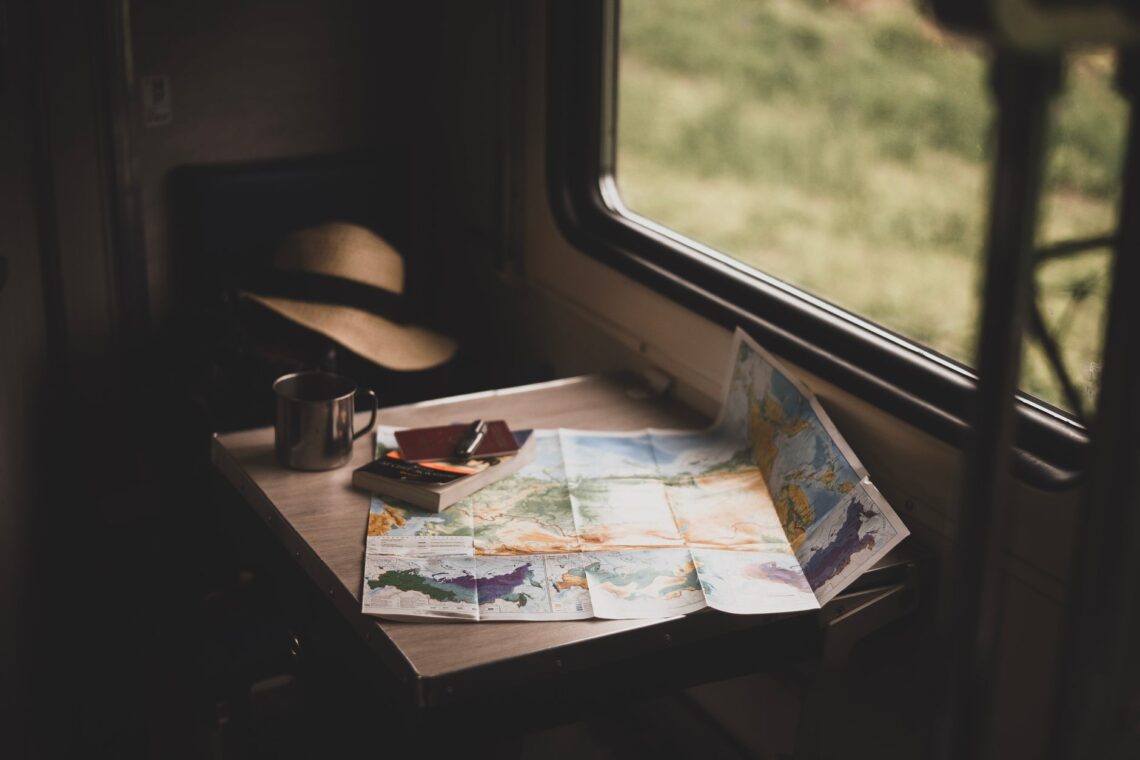
Teaching Children About Different Cultures Through Travel
If you’ve ever taken a very young person on holiday, then you might notice that their personality often undergoes a noticeable shift by the time they come back. Young minds tend to be extremely receptive to novelty, which means that new environments, cultures, and climates tend to have a big influence on the way they see the world in general.
We don’t have to delve too much into the underlying psychology to appreciate the benefits of exposing children to new cultures and views. Let’s take a look at a few key reasons to suppose that this is the case.
Why Cultural Exposure Matters for Kids
Children who engage with many different cultures and perspectives might gain a sense of cultural humility. They might appreciate that their worldview, and the norms and social mores that govern their lives at home, are not globe-encompassing. This might lead them to spot new ways of doing things at home, or to stop worrying about things that were once stress-inducing. In some cases, it might even lead them to take a special interest in a particular culture or civilization.
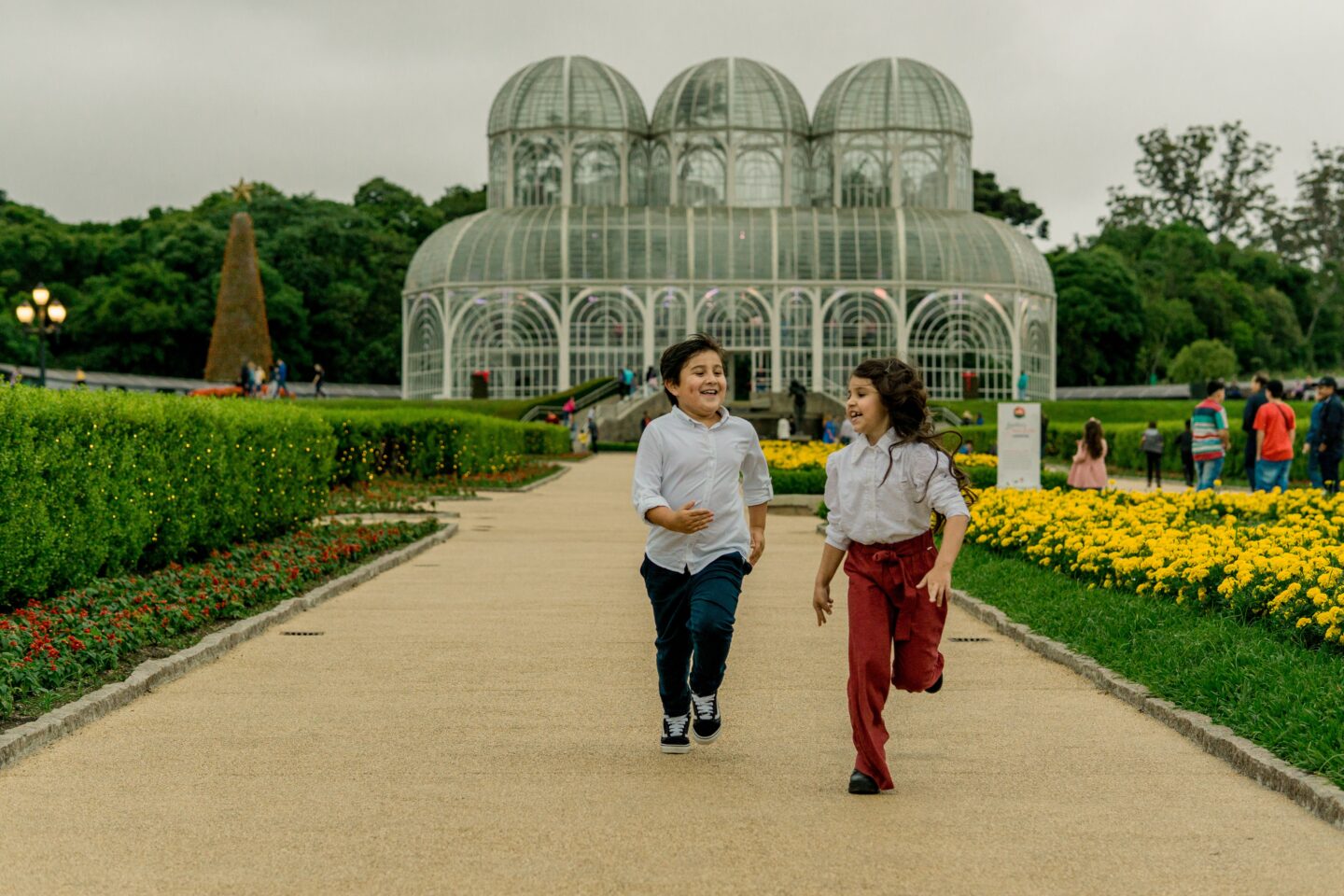
Making Cultural Learning Fun and Accessible
The good news is that you don’t have to turn your holiday into a school field trip to expose your children to new cultures. You might find that there are age-appropriate activities near where you’re staying. Hands-on experience at a festival, cookery class, or artistic retreat is often preferable to passive sightseeing, as it will force children to mentally engage with the culture in question. Learning to speak a new language and ask for directions is perhaps the best example.
The Role of Guided Tours in Family Travel
Parents looking to expose their children to new cultures face a challenge in that they don’t know everything there is to know about the culture or environment they’re looking to acquaint their children with. It’s for this reason that expert guides are so worthwhile. When you have someone with you who knows all about the local culture, they’ll be able to provide insights and activities that would otherwise be inaccessible. For example, Italy tours might acquaint you with Italian culture, art, and history.

Encouraging Reflection and Conversation
There’s a good reason that schoolteachers insist on assigning essays. When we’re forced to articulate what we think about a subject, we’re forced to confront and understand how we really feel about it. As such, you might promote conversation and discussion in order to help your kids reflect on what they’ve experienced. Children do this in many different.
Inspiring a Lifelong Love of Culture
The good news is that appreciating culture is something that you can do better when you practice. View every holiday as a chance to nurture a global perspective, and you might encourage your kids to actually get out there and seek inspiration, without any pushing from you.
Like this Article? Subscribe to Our Feed!


You May Also Like

Great Things to Invest in For You & Your Children

Make Deep Cleaning Your Kitchen Easy
